Have you been injured on a Military Training Exercise? If so, you could be entitled to compensation.
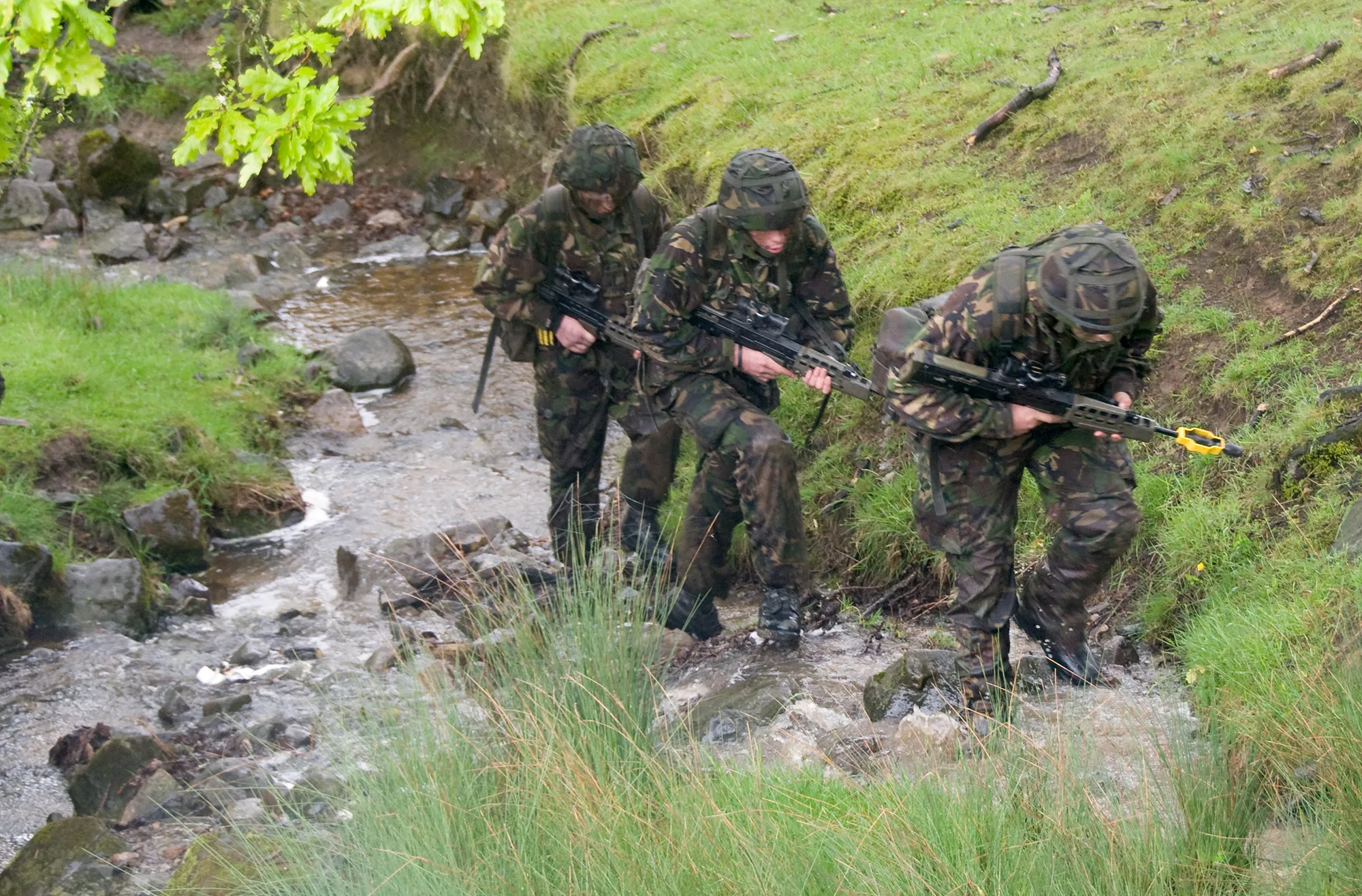
Military training is an essential part of preparing service personnel for operational duties. Exercises are designed to be physically demanding, realistic and challenging. However, whilst service personnel accept the inherent risks associated with military training, they should not be exposed to unnecessary risks arising from negligence, poor planning, defective equipment or failures in supervision.
Sadly, serious injuries and fatalities continue to occur during training exercises in the UK. In many cases, investigations identify failings that could and should have been prevented. Where an injury has been caused by negligence, serving personnel and veterans may be entitled to pursue compensation in addition to any award available under the Armed Forces Compensation Scheme (AFCS).
The Duty of Care Owed to Service Personnel
The Ministry of Defence (MOD) has a duty to take reasonable steps to protect service personnel during training activities. This duty extends to:
- Proper risk assessment and planning.
- Providing appropriate training and instruction.
- Ensuring adequate supervision.
- Maintaining safe training environments.
- Supplying suitable and properly maintained equipment.
- Implementing safe systems of work.
- Responding appropriately to known hazards.
Military training is often conducted in difficult environments, including live firing ranges, training areas, assault courses, water training facilities and vehicle training grounds. Whilst military personnel cannot eliminate all risks, the MOD must ensure that avoidable dangers are properly managed.
Common Causes of Training Exercise Injuries
Military training accidents can occur in a variety of scenarios. Common examples include:
Inadequate Risk Assessments
Training exercises should be subject to detailed risk assessments. Injuries may occur where foreseeable risks have not been identified or appropriate control measures have not been implemented.
Examples include:
- Heat illness during extreme weather conditions.
- Cold weather injuries.
- Waterborne hazards.
- Unsafe training routes.
- Vehicle movement risks.
Poor Supervision
Exercises often involve recruits, trainees and junior soldiers operating in unfamiliar environments. Insufficient supervision can significantly increase the likelihood of injury.
Examples may include:
- Failure to monitor fatigued personnel.
- Inadequate instructor-to-trainee ratios.
- Failure to intervene when unsafe practices develop.
Defective Equipment
Service personnel rely on numerous items of specialist equipment during training. Injuries may occur where equipment is:
- Poorly maintained.
- Defective.
- Inappropriate for the task.
- Used contrary to established procedures.
This can include weapons systems, vehicles, communications equipment, body armour and training apparatus.
Vehicle Accidents
Military vehicle training remains a significant source of serious injuries.
Examples include:
- Rollovers.
- Vehicle collisions.
- Crushed limb injuries.
- Head and spinal injuries.
- Injuries caused by inadequate vehicle maintenance.
Live Fire and Weapons Training
Live firing exercises carry obvious dangers. Strict procedures exist to protect personnel. Injuries may result from:
- Failures in range management.
- Breaches of safety procedures.
- Inadequate supervision.
- Equipment malfunctions.
Heat, Cold and Environmental Injuries
Training exercises frequently take place in demanding conditions. In some circumstances injuries occur because warning signs are ignored or welfare measures are inadequate.
Such injuries can include:
- Heat stroke.
- Heat exhaustion.
- Hypothermia.
- Frostbite.
- Dehydration.
Injuries Commonly Sustained During Military Training
The consequences of training accidents can be severe and life changing.
Common injuries include:
- Fractures.
- Traumatic brain injuries.
- Spinal injuries.
- Hearing damage.
- Crush injuries.
- Soft tissue injuries.
- Psychological injuries.
- Post-traumatic stress disorder.
- Amputations.
- Fatal injuries.
Many injured personnel require extended periods of rehabilitation and may face medical discharge from the Armed Forces.
The Impact on Service Personnel
An injury sustained during military training can have far-reaching consequences beyond the immediate physical harm.
Service personnel may experience:
- Loss of military career.
- Reduced promotion prospects.
- Ongoing medical treatment.
- Financial losses.
- Mental health difficulties.
- Restrictions on future employment.
The impact can also extend to spouses, partners and wider family members who provide support during recovery.
Compensation Following a Military Training Injury
Personnel injured due to negligence during military training may have more than one avenue available to them.
Armed Forces Compensation Scheme
The AFCS provides compensation for injuries, illnesses and deaths caused by service on or after 6 April 2005.
However, AFCS payments are not always reflective of the full financial losses suffered by an individual.
Civil Claim Against the MOD
Where negligence can be established, it may be possible to pursue a civil claim against the MOD.
A successful claim may recover compensation for:
- Pain and suffering.
- Loss of earnings.
- Loss of military career.
- Pension losses.
- Treatment costs.
- Care and assistance.
- Future financial losses.
Importantly, an AFCS award does not automatically prevent a negligence claim from being pursued.
Evidence in Military Training Injury Claims
Evidence may include:
- Service records.
- Training records.
- Risk assessments.
- Health and safety documentation.
- Incident reports.
- Witness evidence.
- Board of Inquiry findings.
- Service Inquiry reports.
- Medical records.
Early legal advice can help secure and preserve important evidence.
Conclusion
Military training will never be risk free. Service personnel willingly undertake demanding exercises as part of their commitment to serving the country. However, there is a clear distinction between the risks inherent in military training and injuries caused by negligence.
Where injuries occur because appropriate safety procedures were not followed, equipment was defective, risks were inadequately managed or supervision was lacking, those affected may have the right to pursue compensation.
Those who serve should not be disadvantaged because of their service, and where avoidable injuries occur during military training exercises, it is important that accountability is established and injured personnel receive the support and compensation they deserve.
For advice on making a military injury claim, please contact us.
Military Injury Claims – Part of Ison Harrison Solicitors
The most common claim types that we handle for our clients; to see how we can help call 0113 224 7837, or email: [email protected]












Claim type not listed? Get in touch for a free assessment of your military injury claim. To see how we can help; call 0113 224 7837, or email [email protected]
Diane Askwith heads up the military injury claims team at Ison Harrison Solicitors. Meet The Team