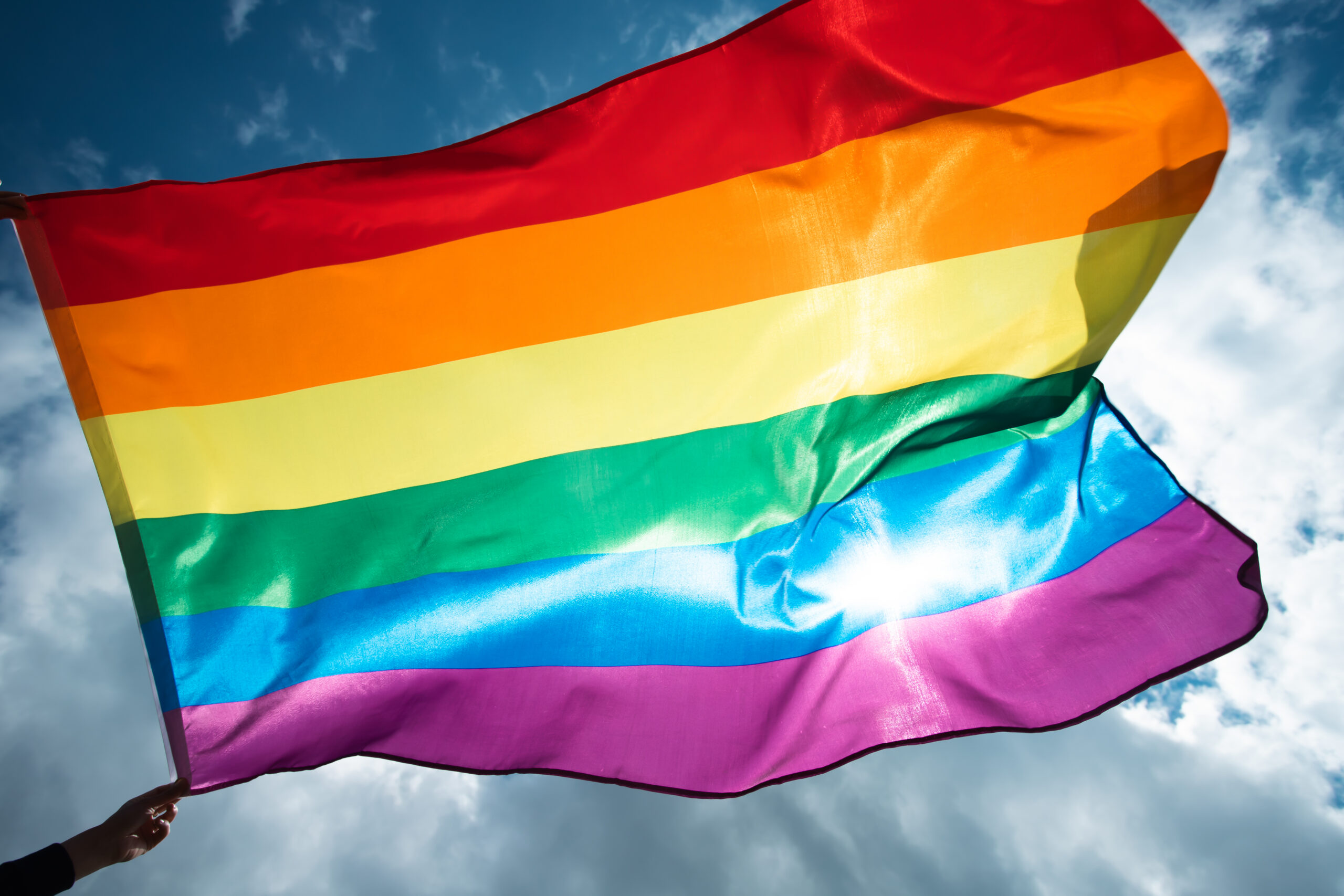
For decades, LGBT men and women serving in the British Armed Forces faced the prospect of losing their careers simply because of their sexual orientation or gender identity. Many were subjected to investigations, harassment and disciplinary proceedings, while others were dismissed or felt they had little choice but to leave the military.
Although the ban on LGBT personnel serving openly was lifted in January 2000, its consequences have continued to affect veterans long after their service ended.
The Government has since acknowledged the injustice experienced by those affected and introduced the LGBT Financial Recognition Scheme, offering financial payments to eligible veterans.
However, time is running out to apply. The current deadline is 11:59pm on 12 December 2026, and veterans who believe they may qualify are being encouraged to consider their options before the application window closes.
Recognising the Impact of the LGBT Ban
Between 27 July 1967 and 11 January 2000, LGBT personnel were prohibited from serving openly in the UK Armed Forces.
Those who were known or suspected to be LGBT could face intrusive investigations, disciplinary action, dismissal or pressure to resign. For many, this meant the sudden end of a career they had spent years building.
The consequences often extended far beyond the loss of employment. Veterans have described the financial difficulties, damage to their reputations and emotional distress that followed their treatment.
The Independent Review into the LGBT Ban brought many of these experiences to light and recommended measures to address the harm caused.
The Financial Recognition Scheme forms part of the Government’s response, providing eligible veterans with an opportunity to receive financial recognition for the treatment they experienced.
How Much Financial Recognition Could Veterans Receive?
The scheme provides for two types of payment, depending on an individual’s circumstances and how they were affected by the ban.
Dismissed or Discharged Payment
Veterans who were dismissed or administratively discharged from the Armed Forces because of the LGBT Ban may qualify for a fixed payment of £50,000.
This may also include officers who were required to resign or retire because of their actual or perceived sexual orientation or gender identity.
Impact Payment
The Impact Payment recognises other forms of mistreatment experienced during military service.
Depending on the nature and severity of that treatment, payments fall within three levels:
- Level 1: £1,000 to £5,000
- Level 2: £5,001 to £10,000
- Level 3: £10,001 to £20,000
Some veterans may qualify for both payments, meaning they could receive a total of up to £70,000.
Eligibility and the amount awarded will depend on the circumstances of each application.
You May Still Be Eligible Even If You Were Not Dismissed
An important point for veterans to understand is that formal dismissal is not necessarily a requirement for financial recognition.
Some former service personnel may assume they cannot apply because they resigned, arranged their own discharge or left the Armed Forces without formal disciplinary action being taken against them.
That is not always the case.
The Impact Payment is intended to recognise a broader range of experiences, including bullying, harassment, investigations, disciplinary proceedings and pressure to leave the military because of the LGBT Ban.
Veterans who remained in service despite experiencing discrimination may also be eligible.
It is therefore worth considering an application even where the circumstances of leaving the Armed Forces do not appear to fall within the requirements for the £50,000 payment.
Why Veterans Should Not Delay Applying
The deadline for applications is 11:59pm on 12 December 2026.
For many of those affected, revisiting their military experiences will understandably be difficult. Some may have spent years trying to put what happened behind them and may be reluctant to discuss it again.
Others may be unsure whether they have enough evidence to support an application, particularly where events took place several decades ago.
However, veterans do not need to obtain their service records before submitting an application. The Ministry of Defence can assist with obtaining relevant records as part of the process.
The important thing is not to rule out applying simply because paperwork is missing or the circumstances are complicated.
With the deadline approaching, veterans who believe they were affected should seek advice and establish whether they may be eligible while there is still time.
Recognition Goes Beyond Financial Payments
Financial compensation is only one aspect of the measures introduced to address the consequences of the LGBT Ban.
Other restorative measures may be available, including official apologies, the restoration of rank where appropriate, replacement medals and corrections to service records.
For some veterans, these steps may be just as significant as a financial payment.
Having their service formally recognised, receiving medals that were previously taken away or seeing inaccurate records corrected can provide an important sense of acknowledgement after years of injustice.
Where Can Veterans Get Help?
Veterans who are unsure about their eligibility or who need assistance with an application do not have to navigate the process alone.
Support is available through organisations such as Fighting With Pride, the Royal British Legion and MOD Veterans Services.
Additional assistance may also be available for elderly, vulnerable or terminally ill applicants.
Given the circumstances surrounding many of these cases, it is understandable that some veterans may find the prospect of making an application daunting. Seeking guidance at an early stage can help clarify the process and what information may be required.
Don’t Miss the Opportunity to Apply
The lifting of the LGBT Ban in 2000 marked an important change for the Armed Forces, but it could not undo the damage already suffered by those whose careers and lives had been affected.
For veterans who experienced discrimination, the Financial Recognition Scheme offers an opportunity to have that treatment formally acknowledged and, where eligible, to receive a financial payment.
With applications due to close on 12 December 2026, anyone who believes they may have been affected should consider their eligibility as soon as possible.
Even if you were not formally dismissed, no longer have your service records or are uncertain whether your experiences fall within the scheme, it is worth seeking advice rather than assuming you cannot apply.
How We Can Help
If you served in the UK Armed Forces during the period of the LGBT Ban and believe you may be entitled to financial recognition, our specialist team can help you understand the scheme and the application process.
We can discuss your circumstances, explain the eligibility requirements and provide guidance on the steps involved in making an application.
Contact our specialist team today to discuss your circumstances and find out what options may be available to you before the December 2026 deadline. Please call our military claim experts on 0113 224 7837 or email [email protected].
Military Injury Claims – Part of Ison Harrison Solicitors
The most common claim types that we handle for our clients; to see how we can help call 0113 224 7837, or email: [email protected]








Claim type not listed? Get in touch for a free assessment of your military injury claim. To see how we can help; call 0113 224 7837, or email [email protected]
Diane Askwith heads up the military injury claims team at Ison Harrison Solicitors. Meet The Team