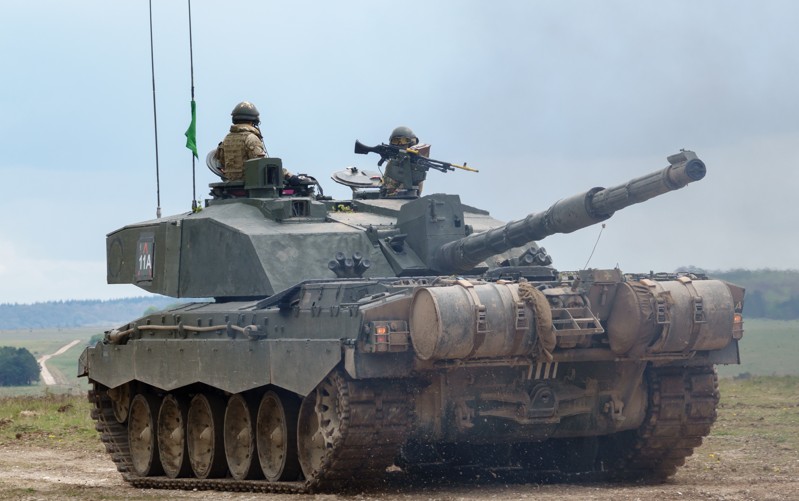
In a rare and very significant step, the Health and Safety Executive (HSE) has recently authorised a Crown Censure against the Ministry of Defence over the 2017 Challenger 2 tank explosion at Castlemartin Range. The MOD has a duty of care to ensure its service personnel are safe and free from harm so far as is reasonably practicable and the alleged failures in that duty following this explosion very tragically claimed the lives of Corporal Darren Neilson and Corporal Matthew Hatfield and left another soldier with life-changing injuries.
As the Crown has immunity from criminal prosecution under the Health and Safety at Work Act 1974, a Crown Censure is the next best available sanction available to the HSE. Whilst unfortunately it carries no financial penalty, it demands an official acknowledgment of the safety failures. It sends a powerful message that service personnel are entitled to the same standards of health and safety protection as any other worker. Rarely does the HSE get involved in MOD operations. Usually such incidents are the subject of internal investigation. Whilst Service Inquiries undoubtedly have an important role in identifying lessons and understanding operational circumstances, independent scrutiny is essential where serious injuries or fatalities occur. The involvement of the HSE provides transparency and reassurance that health and safety standards are being independently assessed rather than reviewed exclusively within the defence community.
Accountability after such tragedies is key to driving forward changes. More must be done to prevent such incidents from occurring in the first place. Injuries sustained during military training, exposure to hazardous noise, defective equipment, inadequate risk assessments, and failures to implement effective safety systems can have lifelong consequences for service personnel and veterans. Robust risk assessment, continuous monitoring, effective training, and a culture that encourages the reporting of concerns are all essential if future harm is to be avoided.
The HSE’s decision should therefore be viewed not only as a response to a tragic event but also as a catalyst for change. Lessons must be learned, safety systems strengthened, and accountability embedded throughout defence organisations. Most importantly, the welfare of service personnel must remain at the heart of every decision involving training, equipment, and operational preparation.
Our service personnel, who serve the nation, should never be expected to accept preventable risks arising from inadequate safety systems, poor oversight, or failures in risk management.
Charges arising out of the same explosion have also been authorised against the MOD’s contractors, BAE Systems Global Limited (now Rheinmetall BAE Systems Land Limited) for failing to ensure the health and safety of persons not directly in their employment.
Diane Askwith, Armed Forces Lead at Ison Harrison Solicitors says
“Those who dedicate their lives to keeping the nation safe should expect nothing less. There should be full accountability for everybody involved in decision making, including the MOD’s contractors directly involved in work likely to pose a health and safety risk. Service personnel must always be a priority to avoid needlessly caused deaths of our service personnel. The trauma which the families and loved ones go through should never be forgotten. I really hope the involvement of the HSE will help drive forward meaningful improvements to the safety of those who serve”
Military Injury Claims – Part of Ison Harrison Solicitors
The most common claim types that we handle for our clients; to see how we can help call 0113 224 7837, or email: [email protected]












Claim type not listed? Get in touch for a free assessment of your military injury claim. To see how we can help; call 0113 224 7837, or email [email protected]
Diane Askwith heads up the military injury claims team at Ison Harrison Solicitors. Meet The Team