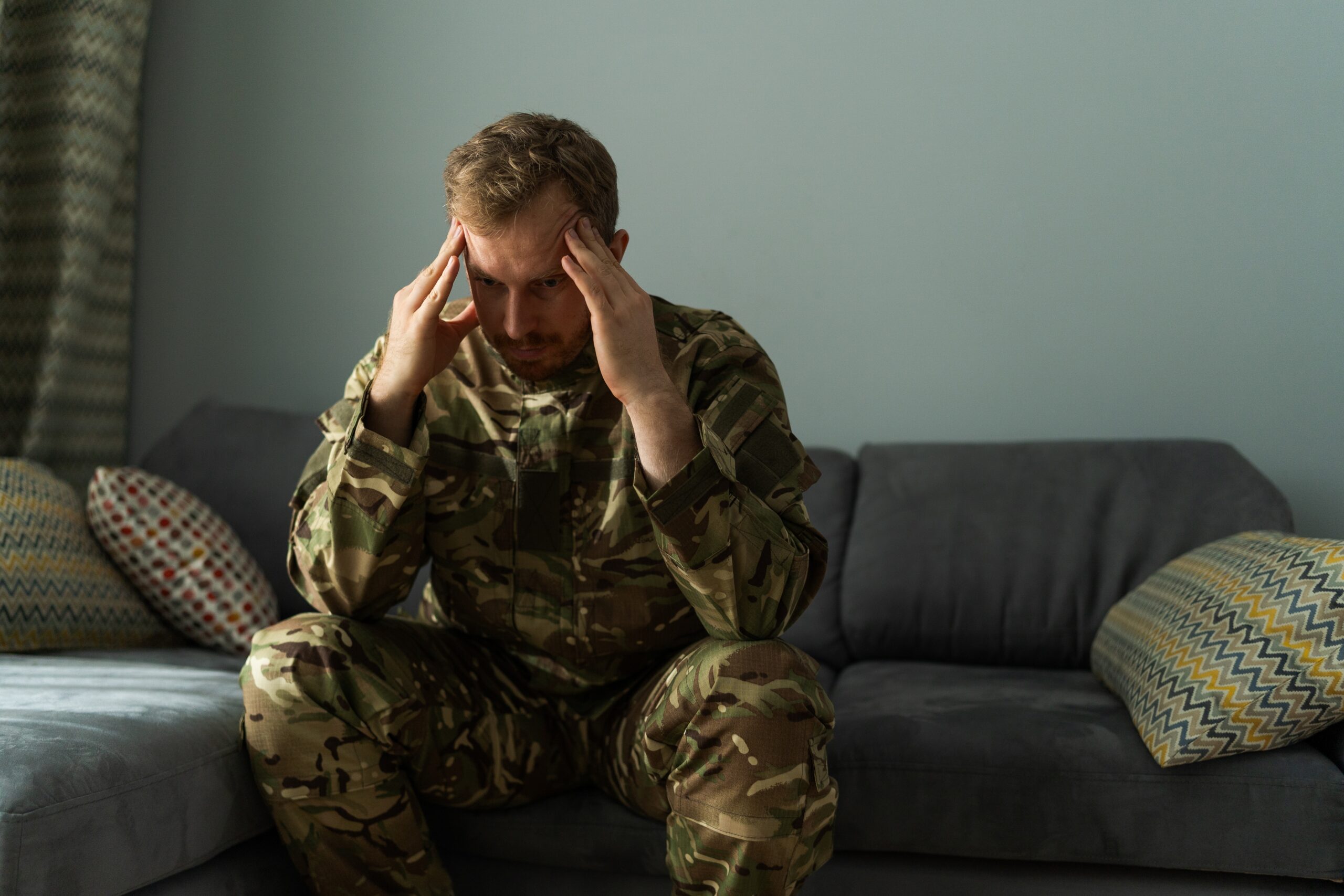
For many soldiers, leaving the Armed Forces is one of the most significant transitions of their lives. Military service provides structure, identity, purpose, camaraderie and a strong sense of belonging. When that career comes to an end, whether through completion of service, medical discharge, redundancy or retirement, adjusting to civilian life can be challenging.
For some, the transition is relatively straightforward. For others, particularly those living with physical injuries, post-traumatic stress disorder (PTSD), depression, anxiety or other mental health difficulties, it can be a difficult and isolating experience.
While the UK has made significant progress in recognising and responding to veterans’ mental health needs, some former service personnel still face barriers to accessing support and rebuilding their lives after service. The focus must therefore extend beyond treatment alone to ensuring a smoother, better-supported transition from military to civilian life.
Why can leaving the Armed Forces be difficult?
Loss of identity
Many soldiers join the Armed Forces at a young age, and military service can become a central part of their identity.
Leaving may result in:
- Loss of status and professional identity.
- A reduced sense of purpose.
- Uncertainty about the future.
- Difficulty adapting to a less structured environment.
Unlike many civilian careers, military service is often more than simply a job; it can become a way of life. The sudden loss of that structure and identity can leave some former personnel feeling disconnected or directionless.
Loss of camaraderie
The close bonds formed during military service can be difficult to replicate in civilian life.
Service personnel may live, work, train and deploy alongside the same people for years. After discharge, some veterans experience:
- Social isolation.
- Loneliness.
- Reduced support networks.
- Difficulty forming comparable friendships outside the military.
Strong social connections can play an important role in protecting mental wellbeing, making the loss of established military networks particularly significant for some veterans.
Challenges finding civilian employment
Former soldiers often possess valuable leadership, organisational, teamwork and problem-solving skills. However, translating military experience into civilian qualifications and employment opportunities can sometimes prove difficult.
Challenges may include:
- A lack of recognised civilian qualifications.
- Difficulty explaining military experience to prospective employers.
- Reduced confidence following discharge.
- Concerns about age or employability.
- Managing physical or psychological injuries alongside work.
Difficulty securing appropriate employment can also create financial pressure, potentially compounding existing mental health challenges.
Mental health difficulties affecting veterans
Mental health difficulties among veterans are not necessarily caused by combat. Military life can expose individuals to a wide range of experiences and pressures that may affect their wellbeing both during and after service.
Post-traumatic stress disorder (PTSD)
PTSD can develop following exposure to traumatic events, which may include:
- Combat operations.
- Serious accidents.
- Witnessing death or serious injury.
- Sexual assault or harassment.
- Exposure to humanitarian crises.
Symptoms can include intrusive memories or flashbacks, nightmares, hypervigilance, emotional numbness, sleep disturbance and difficulties with relationships.
Depression and anxiety
Some veterans experience depression or anxiety as they adjust to civilian life, whether connected to their service, transition or wider circumstances.
Symptoms can include:
- Persistent low mood.
- Loss of motivation or enjoyment.
- Excessive worry.
- Panic attacks.
- Reduced confidence or self-esteem.
Alcohol misuse
Alcohol has historically had a social role within parts of military culture. While many serving personnel and veterans drink responsibly, some may turn to alcohol as a way of coping with trauma, stress or adjustment difficulties.
Problematic alcohol use can contribute to dependency, relationship breakdown, financial problems and worsening mental health.
Moral injury
Moral injury is also increasingly discussed in relation to military mental health. It can arise when someone experiences, witnesses or is unable to prevent events that conflict deeply with their moral beliefs or values.
It can be associated with feelings of:
- Shame.
- Guilt.
- Anger.
- Depression.
- Social withdrawal.
Although moral injury is not itself a formal psychiatric diagnosis, its psychological impact can be profound and may exist alongside conditions such as PTSD or depression.
The particular challenges of medical discharge
For soldiers medically discharged because of physical injuries or mental health problems, the transition to civilian life can be particularly difficult.
A medical discharge may involve not only leaving the Armed Forces but also coming to terms with the unexpected loss of a planned career.
Individuals may face:
- Loss of their anticipated military career.
- Reduced earning capacity.
- Continuing treatment or rehabilitation.
- Concerns about future employment.
- Uncertainty about compensation or pension entitlements.
Where discharge is connected to PTSD or another mental health condition, the individual may therefore be required to navigate a major life transition at precisely the time they are least well-equipped to do so.
Cases involving military injury can also highlight the consequences of delayed referrals, inadequate transition planning and poorly coordinated support at this crucial stage.
What support is available?
A range of services now exists to support serving personnel, service leavers and veterans.
Op COURAGE
NHS Op COURAGE provides specialist mental health and wellbeing support for members of the Armed Forces community in England, including veterans, reservists and those approaching discharge.
Support can include assessment and treatment, help with trauma-related difficulties and support with wider factors affecting mental health and wellbeing.
Defence Medical Services
Serving personnel can access military mental healthcare, including through Departments of Community Mental Health (DCMHs), which provide specialist mental health assessment and treatment.
Veterans UK and transition and welfare services
Veterans UK and Defence welfare and transition services can provide assistance in areas including:
- Welfare.
- Transition to civilian life.
- Financial matters.
- Compensation and pensions.
- Access to appropriate services.
Charitable support
Military and veterans’ charities also play an important role. Organisations including Combat Stress, SSAFA, Help for Heroes and the Royal British Legion provide various forms of practical, emotional and specialist support to former service personnel and their families.
How could support be improved?
Despite considerable progress, there are several areas in which the transition from military to civilian life could be strengthened.
1. Earlier transition planning
Effective transition support should begin well before an individual’s final day of service.
Depending on their circumstances, service leavers could benefit from:
- Individual transition assessments.
- Appropriate mental health screening.
- Employment and retraining planning.
- Welfare and financial guidance.
- Family support.
- Information about obtaining legal advice where required.
Earlier identification of difficulties creates an opportunity to put support in place before problems become more serious.
2. Better recognition of mental health difficulties
Some service personnel may still be reluctant to seek help because of stigma, concerns about how they will be perceived or fears about the potential effect on their careers.
Continued efforts are therefore needed to improve mental health literacy, reduce stigma, encourage appropriate help-seeking and ensure that commanders and others in leadership positions can recognise when personnel may need additional support.
3. A seamless handover to civilian healthcare
Continuity of healthcare can be particularly important for personnel receiving treatment when they leave service.
A stronger transition could include:
- Clear and timely referral pathways.
- Effective transfer of relevant medical information.
- Follow-up after discharge.
- Dedicated coordination for those with complex or particularly vulnerable circumstances.
No individual undergoing treatment should feel that they have fallen into a gap between military and civilian healthcare.
4. Stronger employment support
Veterans possess a wealth of transferable skills, but employers do not always understand how military experience translates into civilian roles.
Greater collaboration between Defence, industry and employers could help to:
- Improve recognition of military skills and experience.
- Expand apprenticeships and retraining opportunities.
- Increase veteran recruitment initiatives.
- Provide tailored career coaching and mentoring.
Meaningful employment can provide more than financial security; it can also restore structure, confidence, purpose and social connection.
5. Long-term follow-up
Mental health difficulties do not necessarily become apparent immediately after someone leaves the Armed Forces. Some veterans may seek help months or even years later.
This makes it important that support is not concentrated solely around the date of discharge. Appropriate longer-term follow-up and clear routes back into services could help identify those who need assistance before their circumstances deteriorate.
6. Greater support for families
Families can play an essential role during transition and recovery, but they may also experience significant pressures themselves.
Family-focused support could include:
- Relationship and family support.
- Counselling.
- Financial guidance.
- Education about PTSD and other mental health difficulties.
- Information about where and how to seek help.
Supporting the family can ultimately strengthen the veteran’s own support network and improve the transition for everyone involved.
A transition, not a single event
The responsibility to support those who have served should not end when the uniform is hung up.
The vast majority of people leaving the Armed Forces bring with them skills, resilience, discipline and experience that can make an enormous contribution to civilian life. For those living with mental health difficulties, however, the transition can be considerably harder. Loss of identity and camaraderie, social isolation, employment concerns, financial pressures and ongoing psychological symptoms can combine to create significant barriers to recovery and wellbeing.
The UK has developed a range of specialist NHS, Defence and charitable services to address these challenges. But there remains a strong case for earlier intervention, better coordinated transition planning, continuity of healthcare and longer-term support.
Most importantly, leaving the Armed Forces should be recognised not as a single event, but as a process.
By supporting people before, during and after that transition, we can give those who have served the best possible opportunity not simply to adjust to civilian life, but to thrive in it.
Military Injury Claims – Part of Ison Harrison Solicitors
The most common claim types that we handle for our clients; to see how we can help call 0113 224 7837, or email: [email protected]









Claim type not listed? Get in touch for a free assessment of your military injury claim. To see how we can help; call 0113 224 7837, or email [email protected]
Diane Askwith heads up the military injury claims team at Ison Harrison Solicitors. Meet The Team