In the recent judgment in Abbot and others v Ministry of Defence, the High Court has given some important clarity on how claims for military-related hearing loss should be assessed and valued.
The case is part of ongoing group litigation; however its impact goes far beyond those directly involved. For former and current service personnel considering a claim, this judgment marks a significant shift in how military hearing loss is understood and, crucially, how it is compensated.
A Recognition of the Reality of Military Noise Exposure
One of the most important findings in this case is the court’s acknowledgment that military noise exposure is fundamentally different from civilian environments.
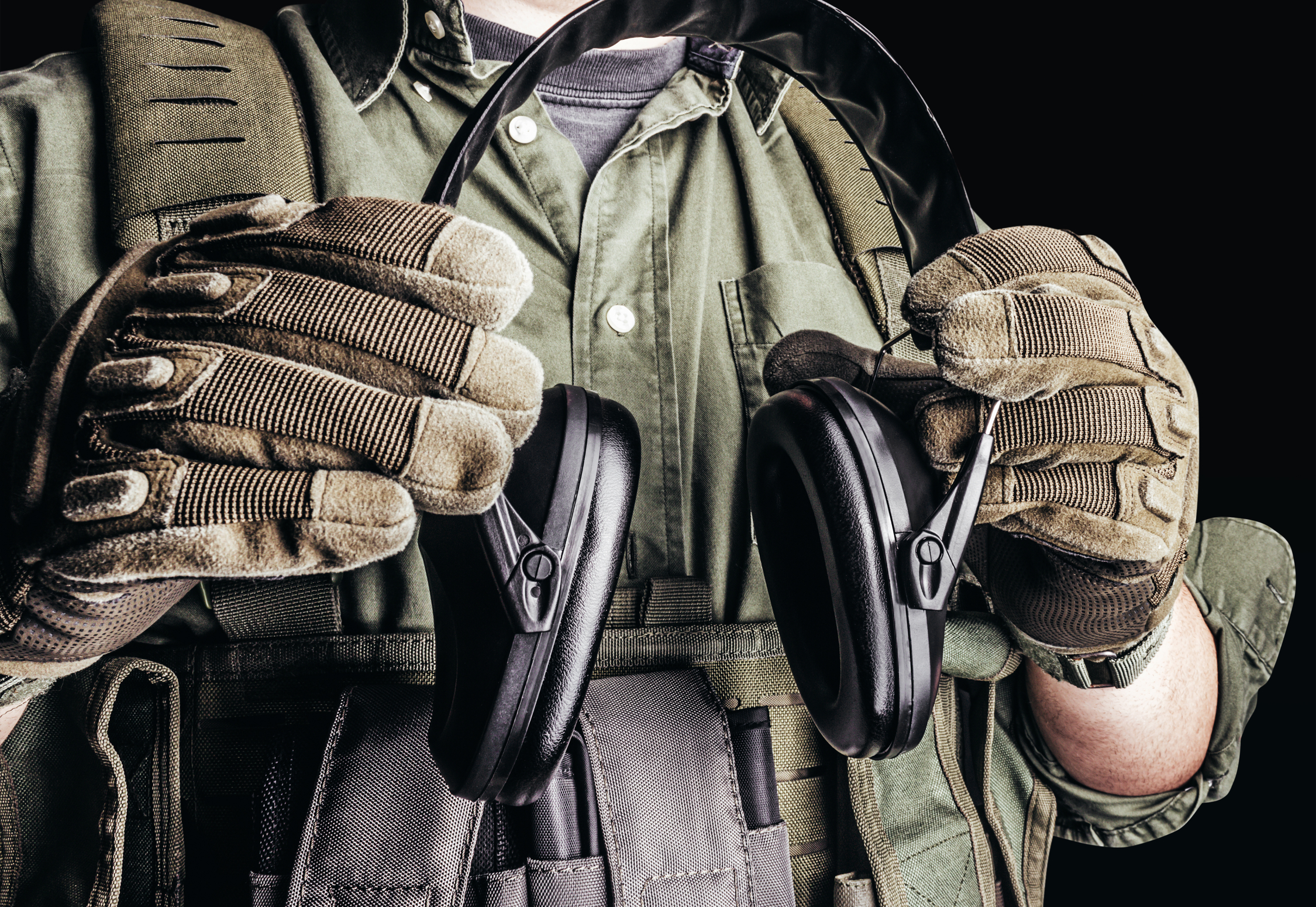
Weapons fire, explosions, aircraft and armoured vehicles expose personnel to high-intensity, impulsive noise. This type of noise is not only louder but also more unpredictable and damaging than the steady noise typically experienced in factories or industrial settings.
What this means is that traditional methods of assessing hearing loss, often based on civilian workplace standards, may no longer be appropriate in military claims. This provides an opportunity for more accurate assessments that properly reflect the realities of service life.
A New Approach to Diagnosing Military Hearing Loss
In the judgement the court favoured a military-specific diagnostic approach, supported by expert clinical assessment, rather than relying solely on standard audiograms or rigid formulas.
Instead of a “one-size-fits-all” model, the judgment reinforces that:
- Each claim must be assessed on its own facts
- Greater weight should be given to service history and noise exposure patterns
- Expert medical opinion plays a critical role in interpreting hearing damage
This is particularly important for claimants whose hearing loss may not fit into the traditional diagnostic thresholds. Even if your audiogram does not show “classic” hearing loss, you may still have a valid claim if your symptoms can be tied to your service exposure.
Tinnitus Can Be a Standalone Claim
The court also accepted that tinnitus can be caused by noise exposure even in the absence of measurable hearing loss.
This is significant, as many former service personnel who experience persistent ringing or buzzing in the ears have previously been told they do not have a claim because their hearing tests appear “normal”.
This judgment challenges that assumption. It confirms that tinnitus alone, if linked to service-related noise exposure, can form the basis of a successful claim.
Compensation: Looking Beyond the Injury Itself
The court made clear that compensation should not be limited to the injury alone. Awards in these cases can also include:
- Future loss of earnings
- The cost of private hearing aids and treatment
- The impact on employability, particularly in roles requiring good hearing
- The broader effect on day-to-day life, communication and relationships
This reflects a more complete approach to compensation. If your hearing condition has affected your career options or quality of life, those impacts should be properly recognised and valued.
Time Limits and MoD Concessions
Another key development is the Ministry of Defence’s approach to limitation times.
In many cases, the MoD has made concessions where claims are brought years out of time, accepting them on the basis that there is no prejudice to their position.
Essentially, this now means that even if you left the armed forces many years ago, it may still be possible to bring a claim. The assumption that you are “too late” is not always correct.
The “Matrix” Scheme And What Happens Next
The existing “Matrix” framework for group litigation has been extended until 31st July 2026.
However, this judgment has made it clear that you do not have to be part of the group litigation to bring a claim and that claims can still be pursued independently where there is merit.
The good news is if you are not part of the current group action, there are still opportunities for you to pursue compensation.
What You Still Need to Prove
This latest High Court ruling brings some extremely positive developments, however it’s important to understand that claims are not automatic. To make a claim you need to show:
- The Ministry of Defence breached its duty of care
- Your hearing loss and/or tinnitus was caused by that breach
Compensation will then be assessed based on the severity of your condition and its impact on your work and daily life.
Thinking About Making a Claim?
If you are experiencing hearing loss or tinnitus following your military service, this judgment strengthens the position for many potential claimants, and the key message is clear – claims are now being assessed in a way that better reflects the realities of military service.
At Military Injury Claim, we have decades of experience supporting service personnel with hearing loss and tinnitus claims. Our expert team is here to help and can support you in making a claim.
If you believe your condition may be linked to your service, we offer a free, no-obligation consultation to help you understand your options. Call us on 0113 224 7837 or email [email protected]
Military Injury Claims – Part of Ison Harrison Solicitors
The most common claim types that we handle for our clients; to see how we can help call 0113 224 7837, or email: [email protected]











Claim type not listed? Get in touch for a free assessment of your military injury claim. To see how we can help; call 0113 224 7837, or email [email protected]
Diane Askwith heads up the military injury claims team at Ison Harrison Solicitors. Meet The Team