For decades, military equipment was designed primarily around male body measurements. As women increasingly enter physically demanding military roles, growing evidence suggests that equipment design, particularly body armour and load carriage systems, may play a significant role in the musculoskeletal injuries experienced by servicewomen.
The Ministry of Defence’s recently published Science of Human Performance guide acknowledges that much of our understanding of military performance and injury risk has historically been based on male data. The guide was commissioned to address that imbalance and identify the unique challenges faced by women undertaking arduous military training and frontline roles.
For those representing injured service personnel, the findings raise important questions about the relationship between equipment, biomechanics and preventable injury.
A long standing problem
Body armour is a vital piece of military equipment, providing protection against potentially life-threatening threats. However, protection must be balanced with comfort, mobility and biomechanical efficiency.
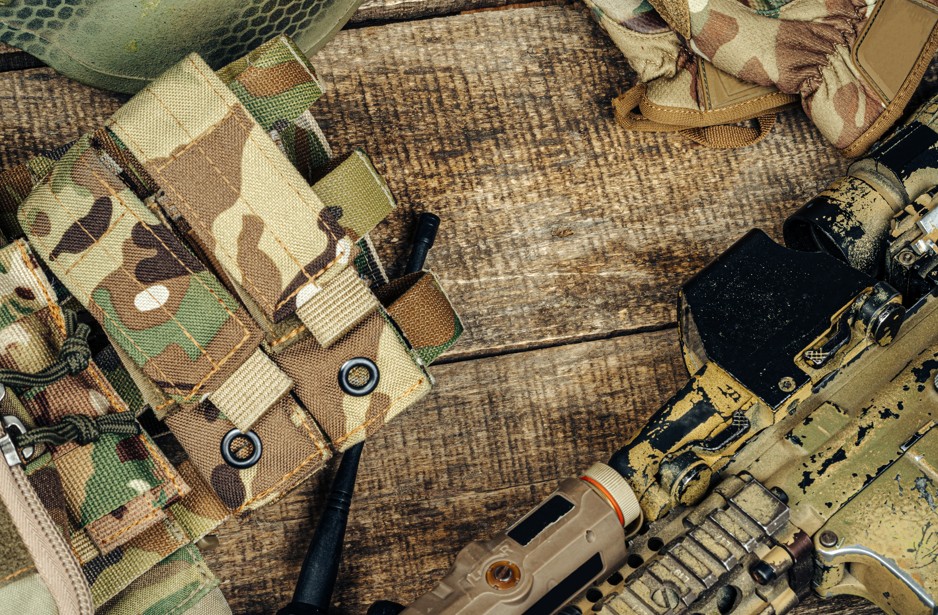
Historically, much of the UK’s military equipment was developed around the average male physique. As women entered combat roles in greater numbers, many reported problems with poor equipment fit, including excessive pressure on the chest and shoulders, restricted movement, discomfort during prolonged exercises and difficulties carrying heavy loads.
The MOD now recognises the importance of female-specific equipment and has introduced improved body armour, tailored clothing and updated load carriage systems designed to better accommodate women’s anatomy. While these developments are welcome, they inevitably raise questions about the impact earlier generations of equipment may have had on the musculoskeletal health of servicewomen.
The impact of load carriage
One of the most striking observations within the MOD research is the substantial stress that military load carriage places on the body which can cause debilitating injury and impact on career progression and continued service.
According to the guide, carrying military equipment increases forces throughout the kinetic chain, affecting the lower back, hips, knees, ankles, shoulders, upper spine and even the pelvic floor. The heavier the load, the greater the stress placed upon these structures. We are aware of female personnel who have suffered career changing injuries with life long consequences.
Women undertaking arduous military courses routinely carry bergens, body armour, weapons and other operational equipment over long distances. The MOD notes that load carriage alters walking mechanics, increases strain on the spine and shoulders, and changes the forces transmitted through the lower limbs. When equipment does not fit properly, those stresses may be amplified further.
Why women face different injury risks
The MOD’s own research identifies that women face an increased risk of certain musculoskeletal injuries compared to their male counterparts.
In particular, servicewomen are more susceptible to stress fractures, hip injuries and some load carriage-related conditions. The guide highlights anatomical differences in female hip and pelvic structures and notes that women are at greater risk of bone stress injuries during periods of arduous training.
These findings are significant because they demonstrate that injury risk is not simply a matter of fitness or resilience. Biological and biomechanical differences mean that women may experience different injury patterns when exposed to the same training demands and equipment loads.
When heavy equipment is worn for prolonged periods, the interaction between body armour, load carriage systems and female biomechanics becomes especially important.
The hidden burden on the neck, shoulders, hips and spine
Military injury claims frequently involve chronic neck pain, shoulder injuries and lower back conditions. These injuries can develop through a combination of factors, including heavy body armour, repetitive load carriage, prolonged tabbing exercises and physically demanding training.
The MOD guide specifically highlights the increased strain placed on the upper spine and shoulders during load carriage. The fact that targeted strengthening exercises are recommended as a mitigation strategy suggests these stresses are well understood within military performance research.
For women whose body shape differs significantly from the assumptions on which earlier military equipment was designed, compensatory movements and altered posture may place additional strain on muscles, tendons and joints. Over time, this may contribute to the development of chronic musculoskeletal conditions.
Equipment is improving, but why was change necessary?
A notable feature of the MOD’s research is its emphasis on properly fitted equipment. Recent improvements include better-fitting body armour for women, scalable tactical vests, multiple hip belt sizes, female-specific uniforms and improved sports bra provision.
The guide advises that personnel should be measured for chest, torso, waist and hip dimensions before operational equipment is issued. Women are specifically identified as often requiring wider hip belt options to improve load distribution and comfort.
These changes represent a positive step forward, but they also prompt an important question. If better-fitting equipment is recognised as necessary today, what impact did less suitable equipment have on the women who trained and served before these improvements were introduced?
What this means for military injury claims
The publication does not establish liability in any individual case. However, it provides valuable evidence that female injury risks differ from male injury risks, that equipment fit matters, and that heavy load carriage can contribute to musculoskeletal injury.
The guide also acknowledges that women face increased risks of stress fractures and hip injuries, while highlighting the growing importance of female-specific equipment and training adaptations.
For servicewomen who have suffered chronic back pain, hip injuries, stress fractures or other musculoskeletal conditions, these findings may be highly relevant when assessing how injuries developed and whether sufficient consideration was given to individual needs.
In cases where symptoms were reported but training continued regardless, questions may arise regarding risk management, equipment provision and the adequacy of injury prevention measures.
Looking ahead
The MOD’s research represents a significant shift in thinking. Rather than expecting women to adapt to systems designed around male physiology, Defence is increasingly recognising the need to adapt equipment, training and injury prevention strategies to better support servicewomen. That change is long overdue.
As research continues to emerge, it is becoming increasingly clear that some injuries are not simply the inevitable consequence of military service. In certain cases, they may reflect a mismatch between equipment design, operational demands and female physiology.
For injured servicewomen, understanding that distinction may prove crucial when seeking answers, treatment and, where appropriate, compensation for life-changing injuries sustained during service.
Military Injury Claims – Part of Ison Harrison Solicitors
The most common claim types that we handle for our clients; to see how we can help call 0113 224 7837, or email: [email protected]












Claim type not listed? Get in touch for a free assessment of your military injury claim. To see how we can help; call 0113 224 7837, or email [email protected]
Diane Askwith heads up the military injury claims team at Ison Harrison Solicitors. Meet The Team