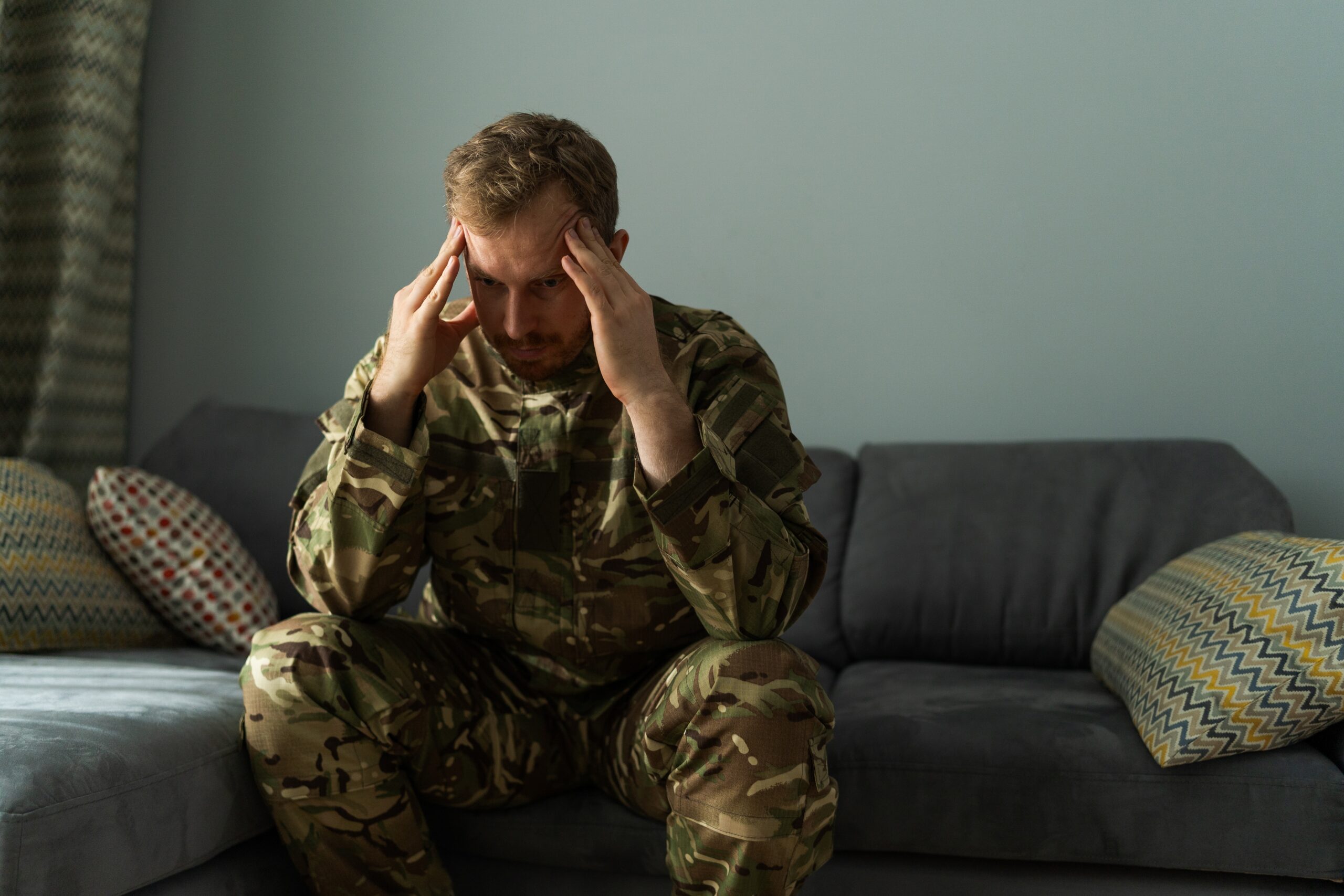
In March 2025, Ison Harrison Solicitors was instructed by a former British soldier to appeal the Secretary of State’s decision under the Armed Forces Compensation Scheme (AFCS). The decision in question denied him the top-tier award – reserved for claimants with a “permanent mental disorder causing very severe functional limitation and restriction.” Instead, he was assessed at the “severe” tier.
Our client’s case reflects the struggles many veterans face when navigating the AFCS system and highlights the shortcomings in support available for those living with long-term psychological trauma as a result of service.
Service History and Impact
The client served multiple tours in Iraq and Afghanistan where he was exposed to repeated and distressing traumatic events. These experiences resulted in a diagnosis of Post-Traumatic Stress Disorder (PTSD), which has persisted for over 16 years.
Despite engaging with every recommended tertiary-level, combat-focused treatment, his symptoms have remained resistant to therapy. Since leaving the Army he has been unable to work due to the severity of his condition.
He continues to suffer from:
- Daily flashbacks and intrusive memories
- Severe sleep disturbance
- Hypervigilance and social withdrawal
- Emotional detachment and isolation
His quality of life remains profoundly affected, with limited ability to engage in social, occupational, or family activities. He has also experienced the devastating loss of several comrades to suicide, a reminder of the rising suicide rates among veterans and the urgent need for improved trauma support and timely AFCS intervention.
The client’s initial AFCS application was submitted seven years ago, marking a lengthy and emotionally taxing process. The ongoing appeal centres on whether his long-term, treatment-resistant PTSD meets the threshold for the top AFCS award – a classification that more accurately reflects his permanent and debilitating condition.
Key Issues
- Whether the evidence supports a finding of “very severe functional limitation and restriction” under AFCS criteria.
- Whether the current structure of the AFCS adequately accommodates mental health conditions, particularly chronic, treatment-resistant PTSD.
- The systemic delays that leave veterans without appropriate compensation or support during prolonged appeal processes.
Broader Implications
This case underscores the urgent need for reform within the Armed Forces Compensation Scheme. Mental health-related claims, especially those involving PTSD, are often assessed and processed through frameworks that fail to capture the enduring, invisible injuries sustained by many veterans.
The increasing prevalence of veteran suicides demonstrates that the current system is not sufficiently responsive or adaptive to the complex nature of trauma-related disability.
We continue to advocate on behalf of our client to secure the recognition and compensation he deserves.
Military Injury Claims
The most common claim types that we handle for our clients; to see how we can help call 0113 224 7837 or email: [email protected]











Claim type not listed? Get in touch for a free assessment of your military injury claim. To see how we can help; call 0113 224 7837 or email [email protected]
Diane Askwith heads up the military injury claims team at Ison Harrison Solicitors. Meet The Team